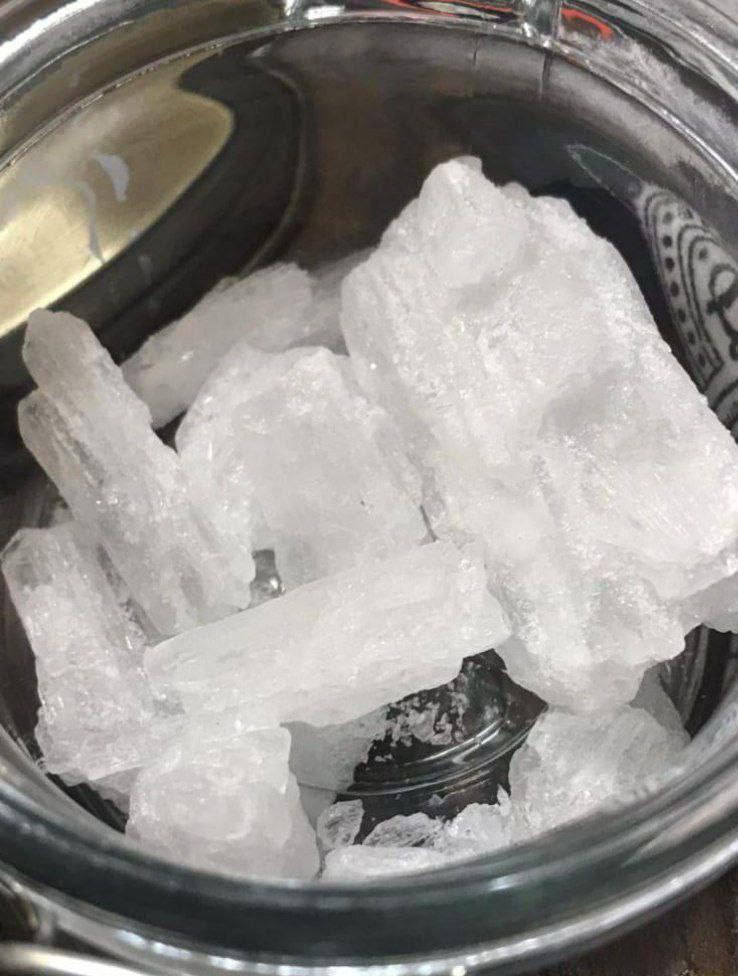
Methamphetamine in Germany
Buy Methamphetamine in Germany SafelyPurity: 99%Delivery & quality Guaranteed 100%Express Delivery Available Overnight
Methamphetamine in Germany: Understanding the Risks, Effects, Types, and Forms of Methamphetamine in Germany
Find Pure Methamphetamine in Germany? An Informational and Awareness Guide
Buy Methamphetamine in Germany is a powerful synthetic stimulant that can have serious effects on the brain, heart, mental health, and overall wellbeing. In Germany, buying adderallwiki.org/products/methamphetamine" class="auto-internal-link">methamphetamine in Europe is commonly associated with the street name Crystal Meth for sale in Germany, although the substance may be referred to by several other names. Understanding what methamphetamine is, why it is dangerous, and how Germany approaches prevention and treatment can help reduce misinformation and encourage people to seek support when problems arise.
Methamphetamine for sale in Germany should not be confused with all forms of amphetamine. Although the substances are chemically related stimulants, they are different drugs and can have different patterns of use and harm. German health research has examined both amphetamine and methamphetamine because stimulant-related problems can affect different groups and regions in different ways.
What Is Methamphetamine in Germany?
Where to Purchase Methamphetamine in Germany is a synthetic psychoactive substance that stimulates the central nervous system. It can temporarily increase alertness, energy, wakefulness, and feelings of confidence or euphoria. These effects can make the drug appealing to some users, but they also carry significant health risks.
In Germany, the term Buying Crystal Meth Online is frequently used when discussing illicit methamphetamine for sale. The substance is particularly concerning because it has a high potential for psychological and physical dependence. Repeated consumption can lead to changes in behavior, sleep, mood, and cognitive functioning, while continued use may become increasingly difficult to control.
The German Federal Ministry of Health has funded research specifically examining amphetamine and methamphetamine use in Germany. Research identified several different groups among people who had misused these substances, demonstrating that there is no single profile of a person who uses methamphetamine.
How Methamphetamine Affects the Body
Methamphetamine in Germany produces stimulant effects by influencing chemical signaling in the brain. A person may initially experience increased energy and alertness, but the body is placed under considerable physiological stress.
Short-term effects can include:
Increased heart rate and blood pressure
Reduced appetite
Increased wakefulness
Restlessness and agitation
Anxiety or irritability
Difficulty sleeping
Increased body temperature
Changes in perception or judgment
More severe reactions can involve extreme agitation, confusion, paranoia, cardiovascular complications, seizures, or psychotic symptoms.
The risks can become greater when methamphetamine is taken repeatedly, combined with other substances, or consumed in an unpredictable illicit-drug environment. Because illegally produced drugs may vary in composition and strength, users may also face risks they did not anticipate.
Long-Term Risks of Methamphetamine
One of the most important reasons for methamphetamine awareness is its potential to develop into a serious substance-use disorder.
Repeated use can interfere with normal sleep, appetite, emotional regulation, relationships, education, employment, and financial stability. Some people may begin using the drug to stay awake, work longer, socialize, manage difficult emotions, or escape personal problems. Over time, the original reason for using the substance can become less important than the need to obtain and consume it.
Long-term stimulant misuse can also be associated with serious physical and psychological consequences. Mental health symptoms may include anxiety, depression, suspiciousness, severe mood changes, and episodes of psychosis.
The German Federal Ministry of Health describes substance use as an important risk factor for serious illnesses and emphasizes prevention as a way to reduce harmful consumption and prevent the development of addiction.
Methamphetamine Use in Germany
Obtain Methamphetamine is not a new issue in Germany. German research has documented different patterns and groups of amphetamine and methamphetamine users, including recreational users and people whose consumption is connected with educational, occupational, psychological, or social circumstances. Researchers have also identified substantial regional differences in the prevalence of methamphetamine use and demand for professional assistance.
This regional variation is important. Public discussion sometimes presents methamphetamine as if it affects every community in Germany in exactly the same way. In reality, patterns of drug use can vary according to geography, availability, social environment, age, and other circumstances.
Awareness therefore needs to be based on evidence rather than stereotypes.
Who Can Be Affected?
There is no single demographic group that defines methamphetamine use. German research has identified several different groups among people experiencing problematic amphetamine or methamphetamine consumption. These include recreational users, people using stimulants in educational or occupational settings, people experiencing mental-health difficulties alongside substance use, parents, and individuals with particularly risky patterns of consumption.
This diversity matters because prevention cannot rely on a single message for everyone.
Young people may benefit from early education about the risks of stimulant use. People already experiencing problematic consumption may need confidential counseling and treatment. Families may need information about how to recognize changes in behavior and where to obtain professional assistance.
Warning Signs of a Methamphetamine Problem
A substance-use problem may develop gradually. Recognizing early warning signs can make it easier to seek help.
Possible signs include becoming increasingly preoccupied with obtaining or using methamphetamine, repeatedly using despite negative consequences, experiencing major changes in sleep or mood, neglecting responsibilities, withdrawing from family or friends, or attempting to stop without being able to maintain abstinence.
Physical and psychological changes may also become noticeable. Persistent exhaustion following periods of wakefulness, significant changes in appetite, anxiety, irritability, suspiciousness, or increasingly unpredictable behavior can all be reasons to encourage professional support.
Importantly, these signs do not automatically prove that someone is using methamphetamine. They can have many possible causes, so professional assessment is preferable to assumptions or accusations.
Prevention and Public Awareness in Germany
Germany's public-health approach places significant emphasis on prevention. The Federal Ministry of Health describes prevention as including measures designed to delay the start of substance use, reduce harmful consumption, and prevent addiction. Prevention can be universal, aimed at the general population, or targeted toward groups and individuals with greater risk.
The Bundesinstitut für Öffentliche Gesundheit (BIÖG) is responsible for important federal-level prevention and health-promotion activities. The institution develops information, strategies, campaigns, and programs intended to support healthier decisions and strengthen prevention.
Effective awareness should focus on facts rather than fear alone. People are more likely to make informed decisions when they understand how stimulant drugs affect health, why dependence can develop, and where they can find reliable support.
Why Stigma Can Make the Problem Worse
Methamphetamine addiction is often accompanied by stigma. People may be described negatively because of their drug use, which can discourage them from talking openly about their situation.
A health-focused approach recognizes that addiction can involve biological, psychological, and social factors. Treating someone with dignity does not mean minimizing the risks of methamphetamine. Instead, it can make it easier for someone to acknowledge a problem and seek appropriate help.
Families and friends can contribute by expressing concern without humiliation or threats, encouraging professional assistance, and learning about addiction themselves.
Getting Help
Anyone concerned about their own methamphetamine use or the drug use of someone close to them should consider contacting a qualified healthcare professional, addiction counseling service, or local health and social-service provider in Germany.
Urgent medical symptoms—including severe chest pain, seizures, extreme confusion, loss of consciousness, or serious breathing difficulties—require emergency medical attention.
Seeking help early can prevent a developing substance-use problem from becoming more severe. Prevention and treatment are not signs of failure; they are important parts of protecting health.
Wholesale Pure Methamphetamine in Germany
Purchase Methamphetamine in Germany is an important public-health and awareness issue. Often known as Crystal Meth for sale, methamphetamine is a powerful stimulant with significant potential for dependence and serious physical and psychological harm.
German research shows that methamphetamine use can occur among diverse groups and that patterns of consumption and demand for professional support can differ between regions.
The most effective response combines accurate information, prevention, early recognition, compassionate support, and access to professional treatment. Public awareness should avoid both sensationalism and stigma. By understanding the risks of methamphetamine and encouraging people to seek help when necessary, communities in Germany can contribute to reducing drug-related harm and improving public health.